The CDC/NWS HeatRisk Experimental Tool is projecting a Moderate – Orange level for heat for our area on Tuesday May 21 and Wednesday May 22.
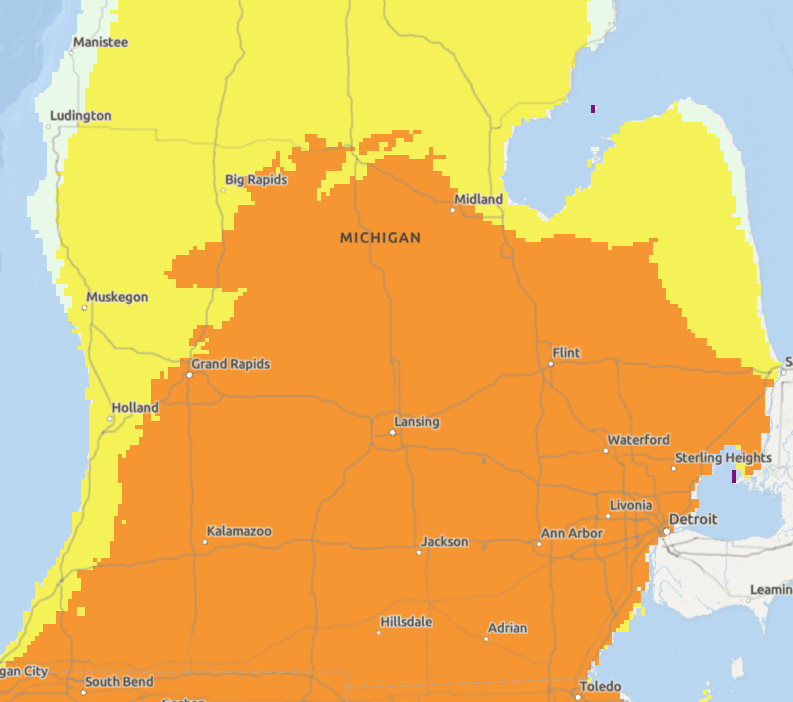
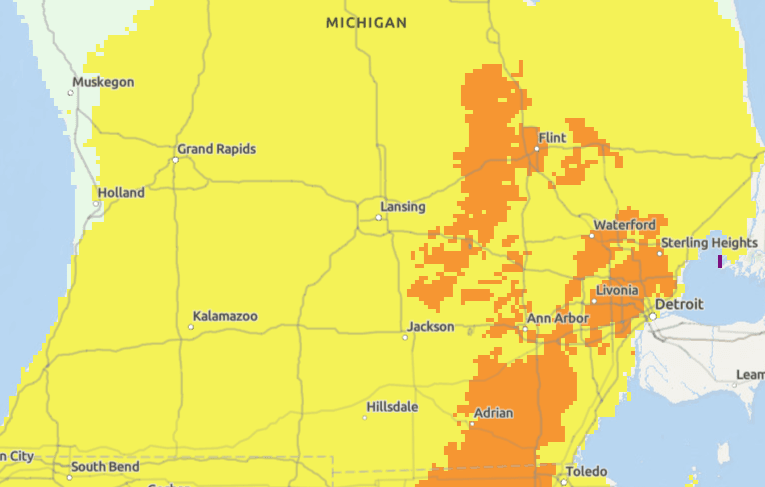
The orange level indicates members of sensitive groups are more likely to experience heat-related illness. Sensitive groups include: pregnant people, older people, children, people with chronic conditions (diabetes, respiratory disease, cardiovascular disease), those on certain medications (ex. certain antipsychotics, certain antidepressants, diuretics) people who live alone, and those who may be more exposed to heat including: outdoor workers, low-income individuals, people without air conditioning, and people who exercise outside.
When it is very hot, there is an increased risk of heat-related illness. The body’s temperature rises and cannot be cooled by sweating or the other ways the body cools itself. The most severe heat-related illnesses are heat exhaustion and heat stroke. If not treated, heat exhaustion can worsen and cause heat stroke or death.
Heat Exhaustion Symptoms:
- Faint or dizzy
- Excessive sweating
- Cool, pale clammy skin
- Nausea or vomiting
- Rapid pulse
- Muscle Cramps
Heat Stroke Symptoms:
- Confusion, disorientation
- Very high body temperature
- Red, hot skin may be dry or sweaty
- Nausea or vomiting
- Rapid pulse
- May lose consciousness
What to do for heat exhaustion:
- Move to a cool place
- Loosen clothing
- Put cool, wet cloths on body or take a cool bath
- Drink cool water
- Get medical help if any of the following happen:
- Person vomits or cannot drink
- Symptoms get worse
- Symptoms last longer than one hour
What to do for heat stroke:
- Call 911 right away
- Move the person to a cooler place
- Help lower the person's temperature with cool cloths or cool bath
For people with chronic medical conditions or taking medications, please talk with your primary care provider about how to monitor and protect yourself during extreme heat.
For outdoor workers:
For people without air conditioning:
- Use a buddy system - check on a friend or neighbor and have someone do the same for you.
- If someone in the home is at least 55 years old, or if air conditioning is medically necessary, apply for State Emergency Relief (SER) by visiting MI Bridges
- Text or call 211 to locate a cooling center in your area.
- Spend some time at a shopping center, public library, or other public buildings — even a few hours spent in air conditioning can help.